What is the Kitchen in Pickleball? The Non-Volley Zone Explained
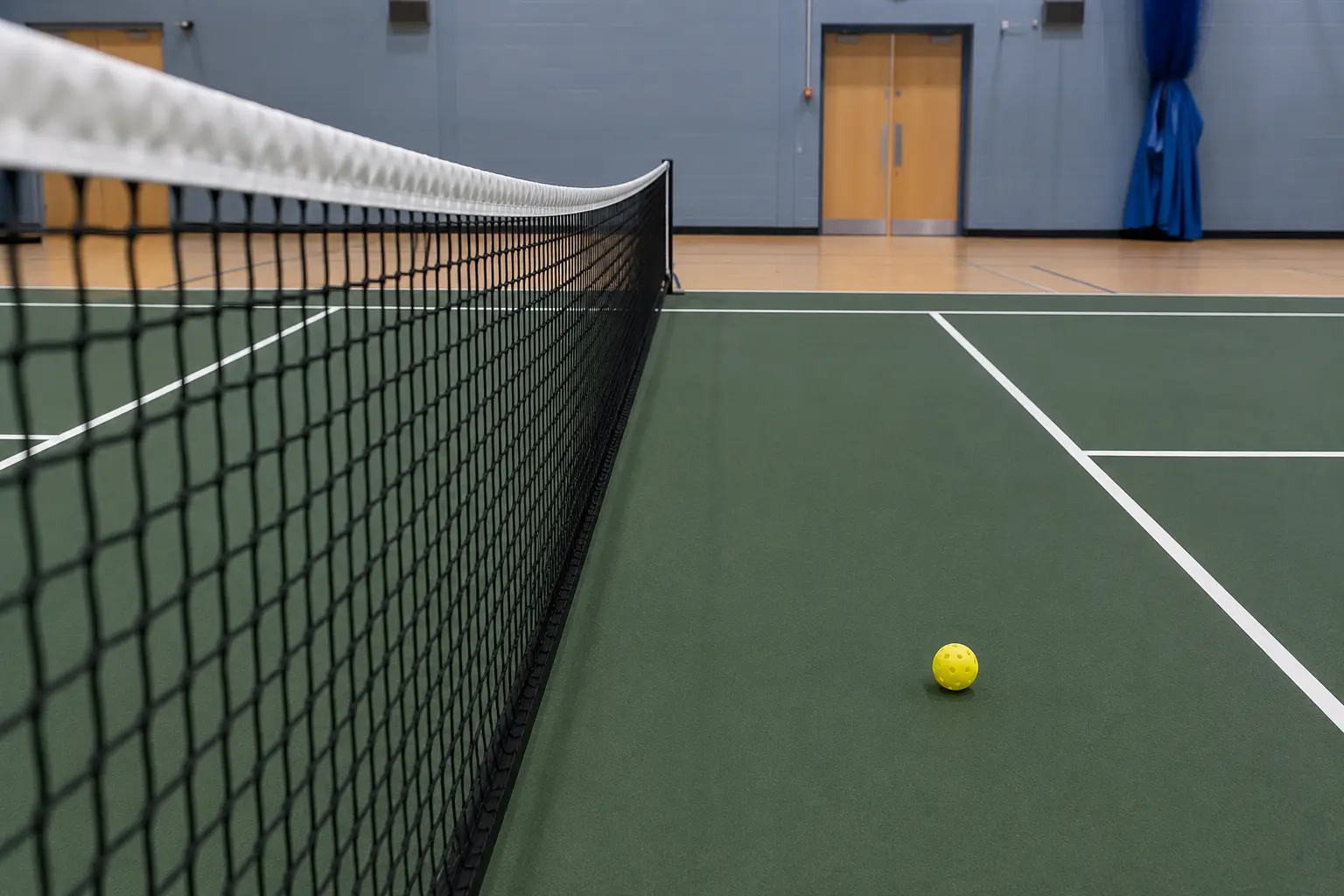
If you've watched pickleball for more than five minutes, you've heard someone shout "watch the kitchen!" And if you're new to the sport, you probably have no idea what that means.
The kitchen is one of pickleball's most distinctive features — and understanding it properly changes how you think about the whole game.
What is the Kitchen?
The kitchen is the informal name for the non-volley zone — a 7-foot area on both sides of the net that runs the full width of the court.
Officially it's called the non-volley zone because the name describes exactly what it is: a zone where you cannot volley. A volley is any shot where you hit the ball before it bounces. In the kitchen, you must let the ball bounce before hitting it.
The kitchen line — the line marking the front edge of this zone — is part of the kitchen. Standing on it counts the same as standing inside it.
Why Does the Kitchen Exist?
The kitchen solves a problem that would otherwise make pickleball unplayable for most people.
Without it, tall or powerful players could simply stand at the net and smash every ball downward before anyone could react. Rallies would be over in seconds, beginners would have no chance, and the tactical element of the game would disappear entirely.
The kitchen forces players back from the net when volleying. It creates a neutral zone that levels the playing field, encourages softer shots — particularly the dink — and makes patience and positioning as valuable as power.
It's why pickleball feels different from tennis and why people of all ages and abilities can compete together meaningfully.
What You Can and Can't Do in the Kitchen
You cannot:
- Hit a volley while standing in the kitchen or touching the kitchen line
- Step into the kitchen as a result of your momentum after hitting a volley — even if you made contact outside the kitchen, if your follow-through carries you in, it's a fault
- Jump from inside the kitchen, hit the ball in the air, and land outside — the fault happens at the moment of contact
You can:
- Stand in the kitchen as much as you want — there's no rule against being in there
- Enter the kitchen to play a ball that has bounced in there
- Reach over the kitchen line to volley — as long as your feet and body stay outside
The momentum rule catches beginners out constantly. You hit a clean volley from just behind the kitchen line — but your body moves forward with the shot and you step into the kitchen. That's a fault, regardless of how good the shot was. The rule covers where you are during and immediately after the volley, not just at the moment of contact.
The Kitchen in Practice
At recreational level — which is everything you'll encounter at Nottinghamshire clubs — the kitchen shapes almost every rally.
Most experienced players aim to reach the kitchen line and hold their position there, hitting controlled dink shots back and forth until someone makes a mistake or creates an opportunity to attack. This is called the dink rally or the kitchen battle, and it's central to club-level pickleball strategy.
Beginners tend to either avoid the kitchen entirely (standing too far back) or walk into it without thinking (causing faults). Learning to position yourself correctly at the kitchen line without stepping in is one of the first real skills to develop.
Common Kitchen Myths
"You can never go in the kitchen" Wrong. You can be in the kitchen whenever you want. You just can't volley from there. If a ball bounces in the kitchen, you step in, let it bounce, and play it — perfectly legal.
"As long as my feet are out, I'm fine" Not quite. Your feet might be behind the line, but if your paddle, clothing or any part of your body physically touches the kitchen surface or the line during a volley — that's a fault. Your paddle can legally reach through the air over the kitchen during a volley as long as nothing you're wearing or holding touches the ground inside the zone.
"The kitchen rule only applies to competitive play" No — the kitchen rule applies at every level, in every format, at every club in Nottinghamshire and everywhere else.
The Kitchen and the Third Shot Drop
The kitchen is directly connected to one of pickleball's most important tactical shots — the third shot drop. This is a soft shot played from the baseline designed to land in the kitchen, forcing the opposing team to let it bounce rather than volley it aggressively.
Understanding why the kitchen exists makes the third shot drop make sense — and vice versa. Once you understand both, the tactical structure of pickleball clicks into place.
Read our guide: What is the Third Shot Drop in Pickleball?
Ready to try pickleball in Nottinghamshire? Our Where to Play page lists all local venues and clubs running regular sessions.
New to pickleball? Our Beginners Guide covers everything you need before your first session.
Stay in the loop.
New courts, sessions and Notts pickleball news — delivered when it matters. No spam.
No group chats. No spam. Unsubscribe anytime.